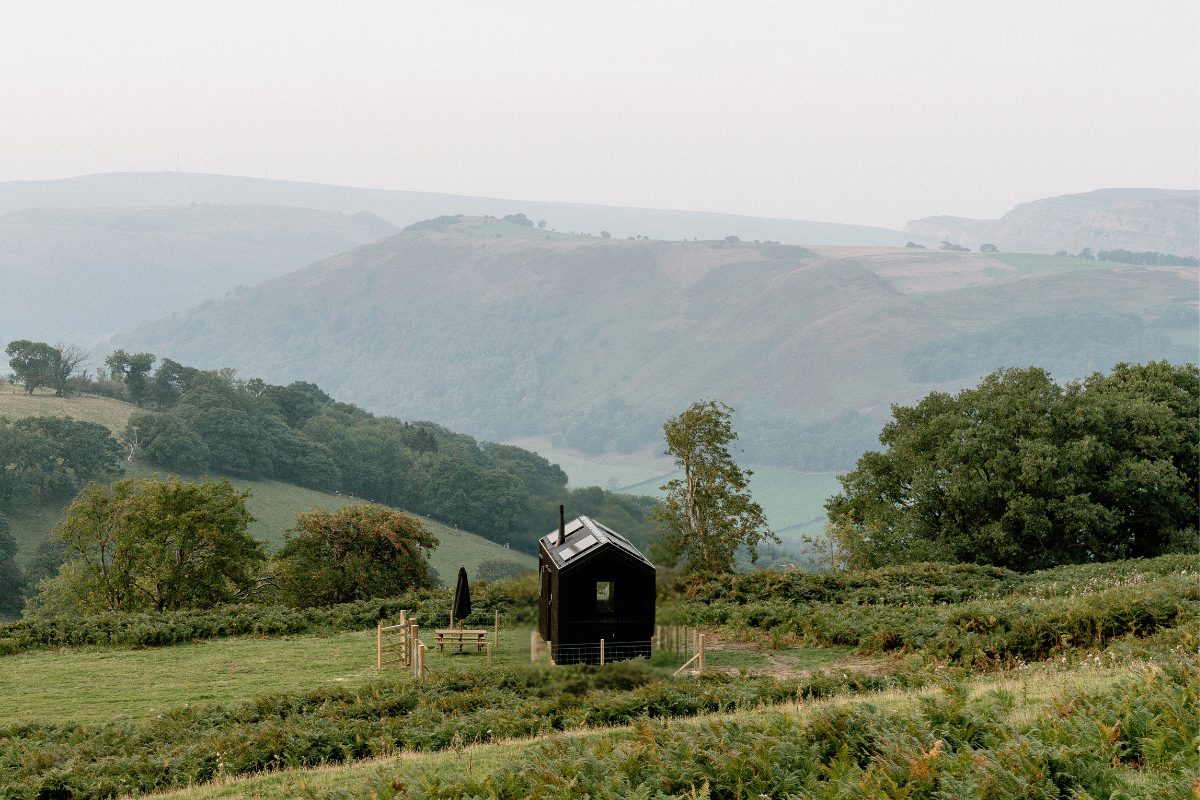
How nature resets your circadian rhythm
Modern life has a way of blurring the line between day and night.
Artificial lighting, late-night screens, and long hours indoors can quietly pull our internal clocks out of sync. The body’s circadian rhythm – the natural cycle that regulates sleep, energy, hormones and mood – evolved in response to daylight, darkness and the changing rhythms of the natural world.
Step back into nature for a few days, and something subtle begins to shift.
What is your circadian rhythm?
Your circadian rhythm is your body’s internal 24-hour clock. It influences when you feel alert, when you feel sleepy, your hormone production, digestion and even mood.
Light is the strongest signal controlling this rhythm. When daylight reaches specialised cells in the eye, it sends signals to a region of the brain that regulates sleep-wake cycles and hormone release. Morning light suppresses melatonin (the hormone that makes you sleepy) and tells the body it’s time to be awake. As evening darkness falls, melatonin rises again and prepares the body for sleep.
For most of human history this process happened naturally. We woke with the sunrise, spent much of the day outdoors, and experienced true darkness at night.
Modern environments have changed that.
Why modern life disrupts our internal clock
Today, many people spend the majority of their day inside buildings under artificial light. Screens emit bright light long after sunset, and urban environments rarely get truly dark.
Research from the UK Biobank, analysing data from over 400,000 adults in Britain, found that people who spend more time in daylight outdoors tend to sleep better, feel less tired and report fewer insomnia symptoms.
The same study also found links between daylight exposure and improved mood, with greater happiness and lower rates of depressive symptoms among those who spent more time outside.
Put simply: the more natural light our bodies receive during the day, the more stable our circadian rhythms tend to be.
Why time in nature helps reset your rhythm
When you step away from artificial environments and into nature, your body encounters the cues it was designed for.
1. Natural daylight is far brighter than indoor lighting
Even on a cloudy day, outdoor light can be many times brighter than typical indoor lighting. This stronger signal helps anchor the body clock more effectively.
2. Morning light arrives naturally
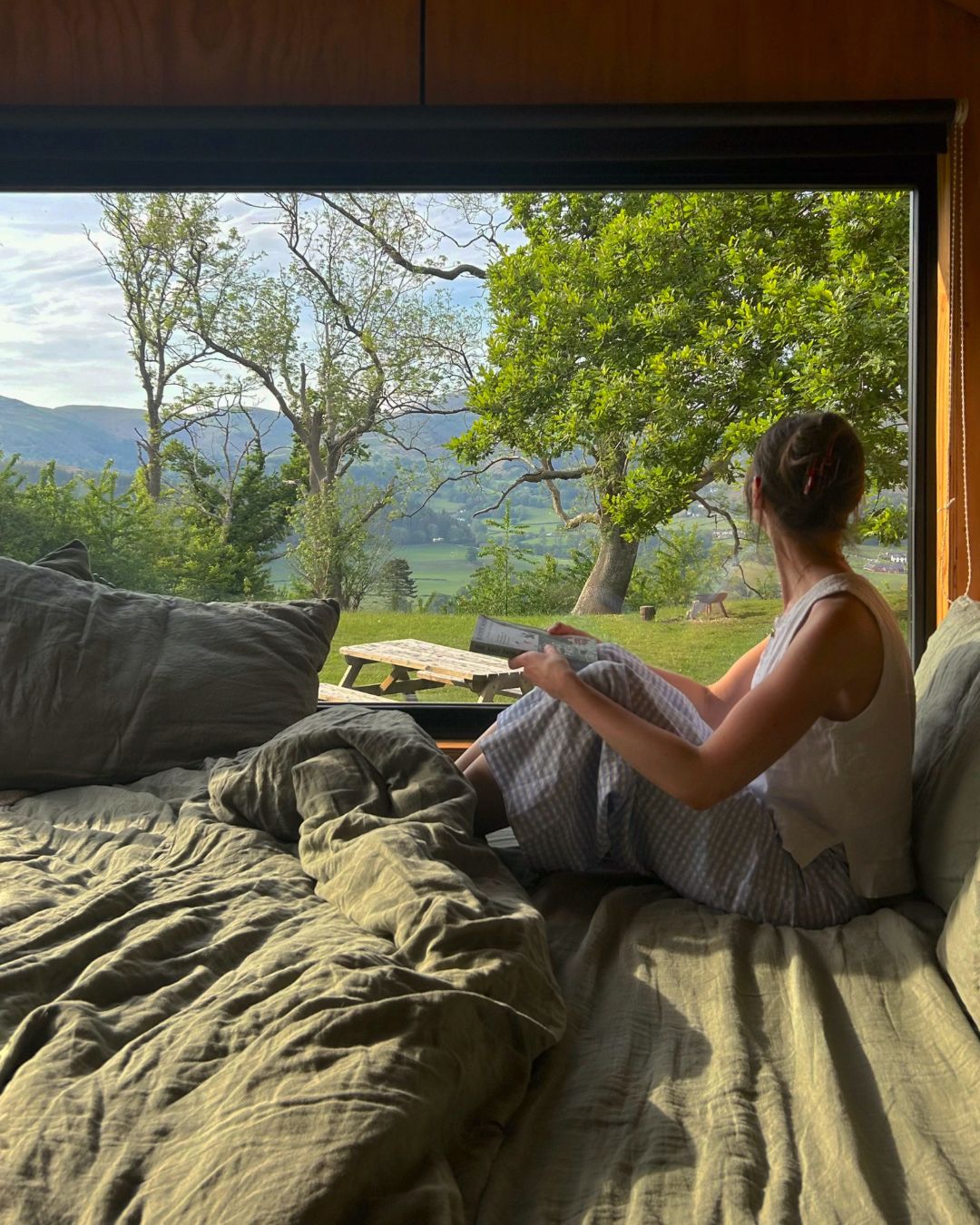
Waking up with natural daylight – or stepping outside soon after – helps signal to the brain that the day has begun, making it easier to feel alert in the morning and sleepy later in the evening.
3. Darkness returns at night
Away from streetlights and glowing devices, evenings become darker. This allows melatonin production to rise naturally, preparing the body for sleep.
4. Daily rhythms slow down
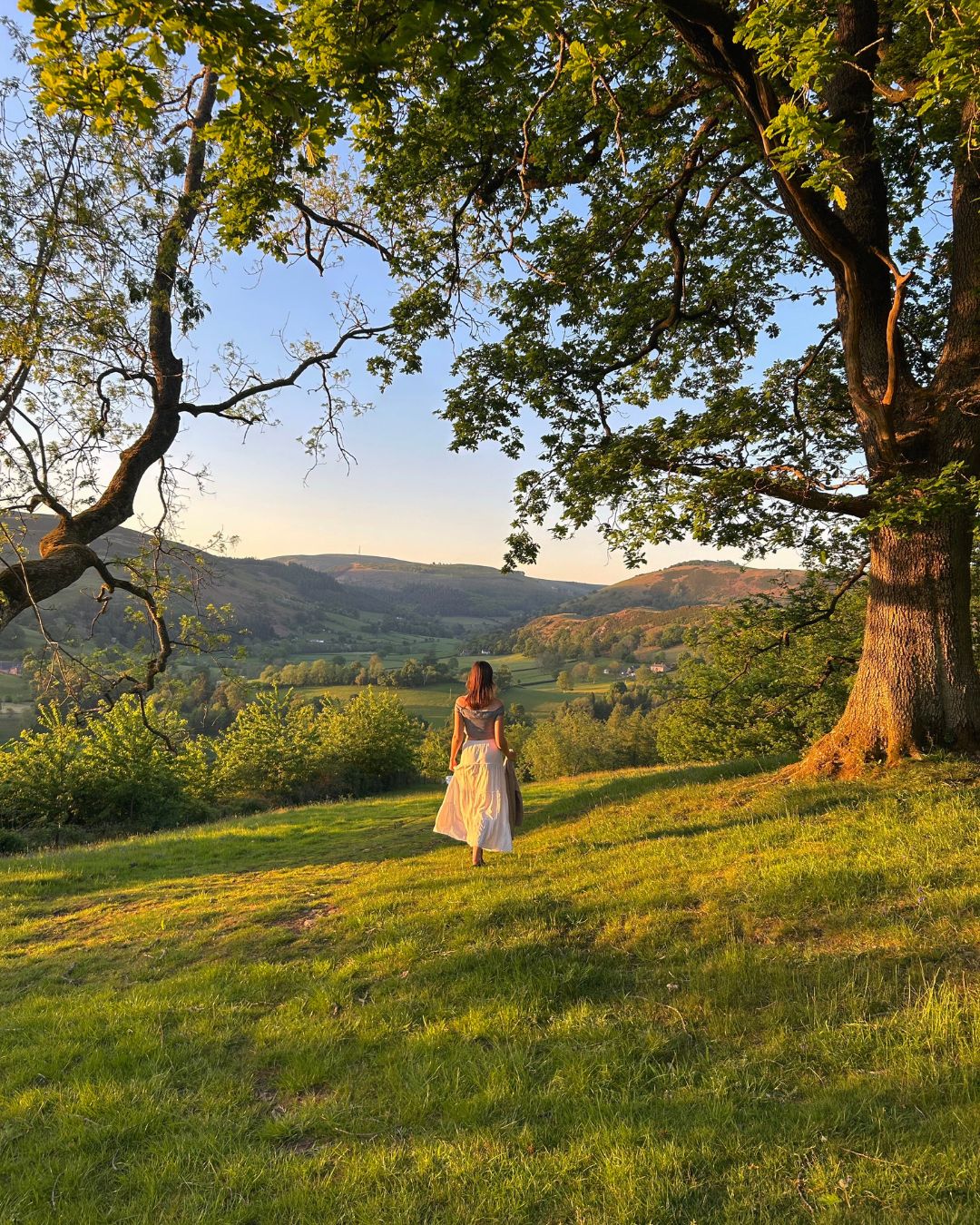
Walking outdoors, cooking, reading, or simply sitting outside naturally spaces out the day with gentle cues that reinforce your internal clock.
What happens after a few days outdoors
People often notice subtle shifts after spending time in nature:
- Falling asleep more easily
- Waking earlier without an alarm
- Feeling more energised during the day
- Deeper, more restful sleep
These changes happen because the body is gradually realigning with the natural light–dark cycle that governs circadian rhythms.
Even small changes – such as spending an extra hour outdoors during the day – have been associated with improvements in sleep and mood in large UK population studies.
Let nature set the pace at Shacks
The body already knows how to keep time. Sometimes it just needs the right environment to remember.
No alarms.
No apps.
Just light, sky, and time unfolding as it should.
One of the simplest ways to reconnect with these natural rhythms is to spend a few days immersed in the outdoors. When your surroundings are shaped by daylight, open skies and the quiet shift from sunset to darkness, the body quickly begins to recalibrate. A stay at Shacks places you right in the middle of that rhythm – mornings that begin with natural light, long days spent outside, and evenings where darkness settles slowly around the cabin. It’s a small reset that often leaves people sleeping deeper and waking lighter