Partial Solar Eclipse UK 2026 | Stargazing at Shacks
On 12 August 2026, people across the UK will have the chance to witness a partial solar eclipse as the Moon passes between the Earth and the Sun.
While it won’t bring total darkness, it will still be one of the most talked-about astronomical events of the year. And a great reminder of just how remarkable our skies can be.
The eclipse is just one of several celestial events worth marking on your calendar. From spectacular meteor showers to dazzling supermoons, 2026 offers plenty of reasons to spend more time looking up.
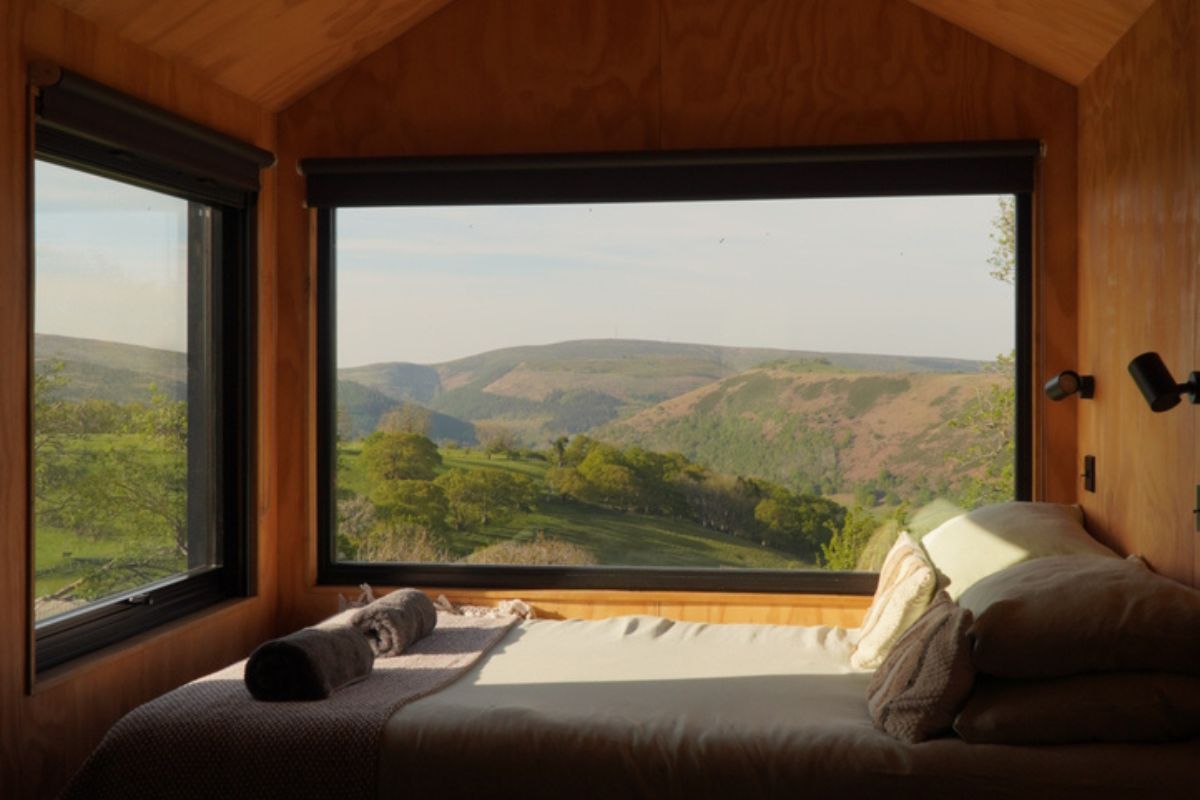
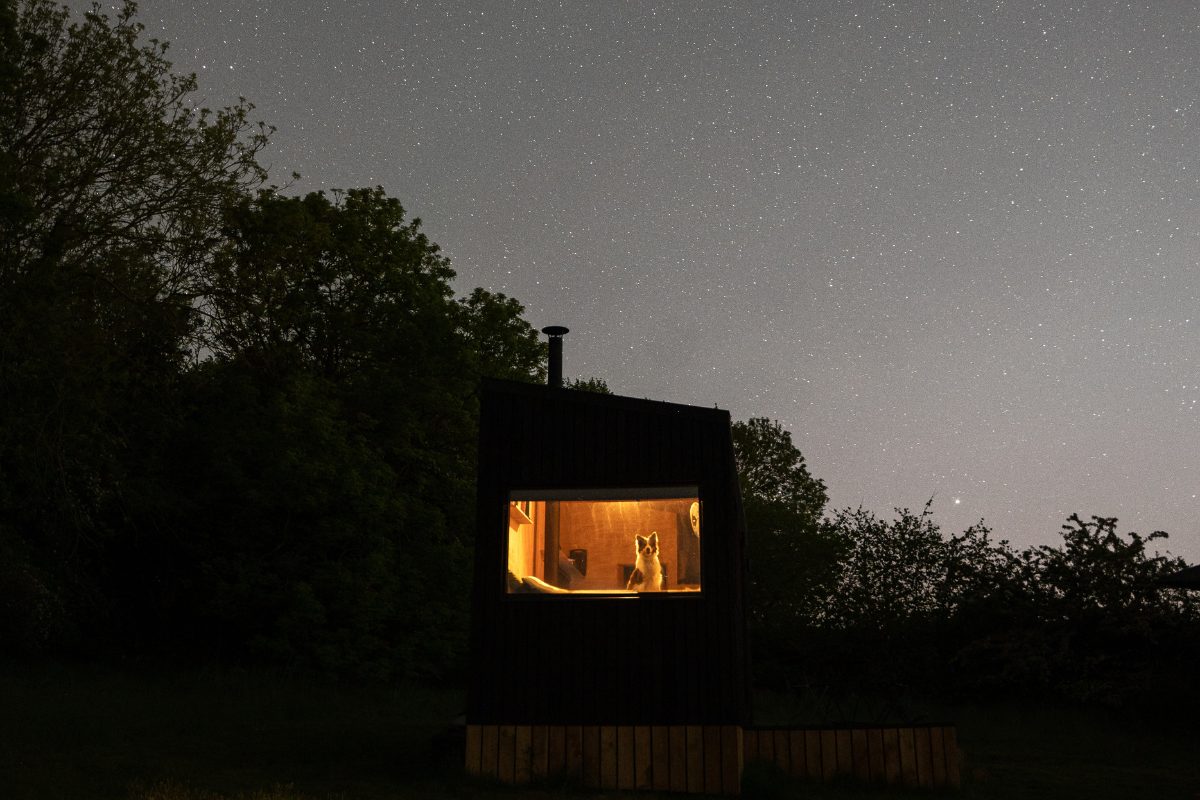
At Shacks, our off-grid cabins are located far from the glare of towns and cities, making them ideal for experiencing the night sky at its best. Whether you’re soaking in an outdoor bath beneath the stars or gathering around the firepit after sunset, these moments have a way of putting everything else into perspective.
Here are five night sky events we think are worth planning a getaway around.
1. Partial Solar Eclipse
When: 12 August 2026
One of the most anticipated astronomical events of 2026, the partial solar eclipse will see the Moon cover part of the Sun creating a dramatic celestial display visible across much of the UK. And you can watch it from one of our cabins.
Although it won’t reach totality in Britain, the event will still attract skywatchers eager to witness this rare alignment. Exact visibility will vary depending on your location and weather conditions.
Remember: Never look directly at the Sun without certified eclipse glasses or approved solar viewing equipment. We will provide solar eclipse glasses to all of our guests staying at our cabins on 12th August 2026.
While the eclipse itself takes place during daylight hours, an overnight stay at Shacks offers the perfect opportunity to turn a remarkable astronomical event into a memorable escape. Spend the day witnessing the eclipse, then stay on for an evening beneath some of Britain’s darkest skies. See cabins with availability on 12th August here.
The partial solar eclipse will take place on 12 August 2026 and will be visible across much of the UK, weather permitting.
Locations with open horizons, low light pollution and minimal obstructions provide the best viewing opportunities. Rural locations such as North Wales and the Cheshire countryside can offer excellent conditions.
No. You should never look directly at the Sun during a solar eclipse. Always wear certified eclipse-viewing glasses. These will be provided for all guests staying at our cabins on 12 August 2026.
A partial solar eclipse occurs when the Moon passes between the Earth and the Sun, covering only part of the Sun’s surface.
Dark skies are areas with very little artificial light pollution. They provide better conditions for seeing stars, planets, meteor showers and the Milky Way.
Our off-grid shacks are located away from busy roads and urban light pollution, creating excellent conditions for enjoying the night sky. Many guests cite stargazing as one of the highlights of their stay.
The Perseid Meteor Shower
Peak: 12–13 August
Often described as the best meteor shower of the year, the Perseids can produce up to 100 shooting stars an hour under ideal conditions.
Created by debris left behind by Comet Swift-Tuttle, the Perseids are known for their bright, fast-moving meteors that streak across summer skies.
August evenings are perfect for sitting outside long after sunset, making this one of the easiest celestial events to enjoy.
Why watch it from Shacks?
Our secluded locations have very little artificial light, allowing more meteors to become visible. Simply settle into your outdoor seating with a warm drink and look up.
3. The Orionid Meteor Shower
Peak: 21–22 October
Produced by debris from the famous Halley’s Comet, the Orionids are known for leaving glowing trails across the night sky.
October often brings crisp, clear evenings, making it one of the most atmospheric times of year to enjoy a night outdoors.
With fewer leaves on the trees and cooler air, visibility can be exceptional.
4. November’s Supermoon
5 November
A supermoon occurs when the Moon reaches its closest point to Earth during a full moon, making it appear larger and brighter than usual.
From an off-grid shack, without nearby streetlights competing for attention, the moonlight can transform the surrounding landscape into something completely different.
It’s one of those nights where simply stepping outside becomes an experience in itself.
5. The Geminid Meteor Shower
Peak: 13–14 December
If winter skies don’t put you off, the Geminids reward patience with some of the brightest meteors of the year.
Cold weather often brings the clearest skies, and there’s something special about watching shooting stars before retreating inside to the warmth of a wood burner.
Few evenings capture the feeling of winter quite like this.
Why Shacks Are Made for Stargazing
The best stargazing isn’t about having the biggest telescope. It’s about having the darkest skies.
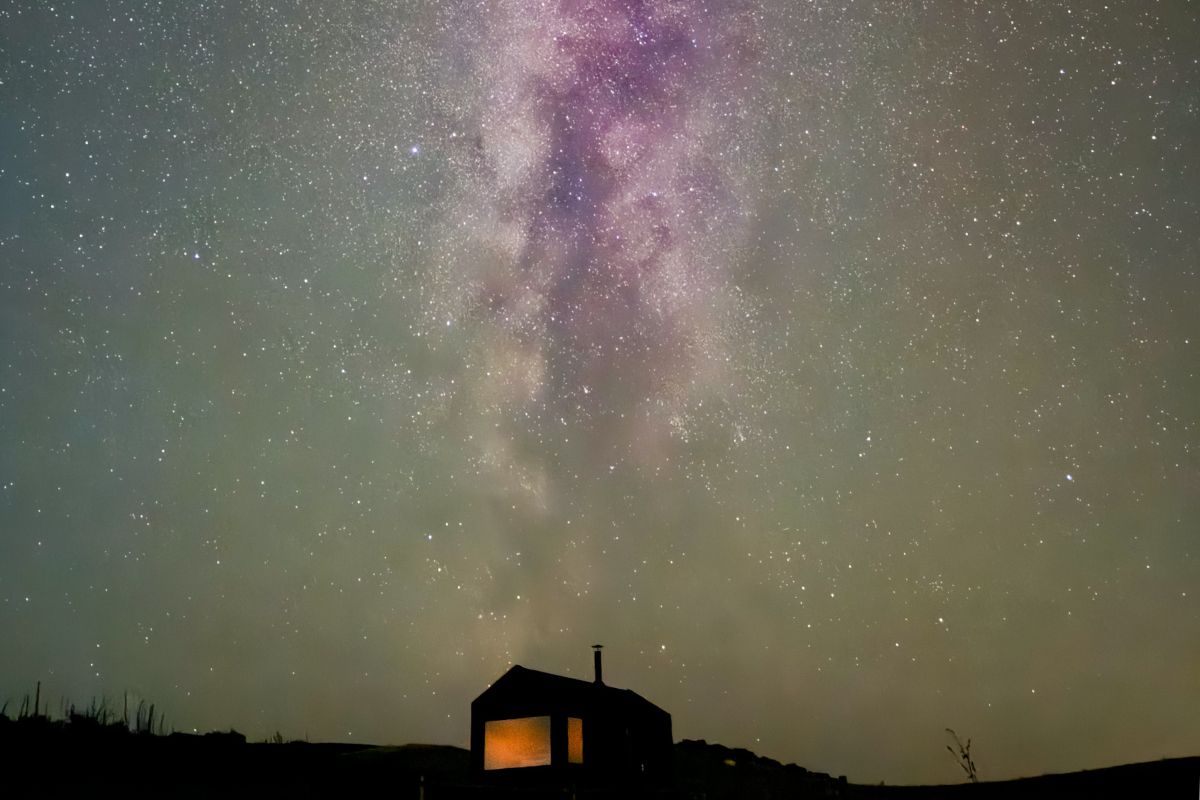
Our off-grid shacks are intentionally placed away from busy roads, towns and light pollution. With low levels of artificial light, it’s easier to spot constellations, planets and meteor showers with the naked eye.
For those wanting to explore even further, some Shacks have access to smart telescope, helping you discover galaxies, nebulae and planets that would otherwise remain hidden.
Whether you’re planning a romantic escape, celebrating a special occasion or simply craving a slower pace of life, few things compare to ending the day beneath a sky full of stars.
“The stars were unbelievable. We’d never seen the Milky Way so clearly before. Sitting outside wrapped in blankets, watching shooting stars, became the highlight of our stay.” — Shacks guest
Plan Your Stargazing Escape
The best celestial events only last a night or two, but the memories last much longer.
Whether you’re looking to experience the partial solar eclipse on August 2026, or enjoy a night under the stars, stay at our stargazing shacks here.
Pack a warm jumper, leave room for wonder and spend an evening beneath some of Britain’s darkest skies.
After all, some of nature’s greatest performances don’t happen during the day. They begin after sunset.